

Digital asset trading often appears confusing when you begin learning. Markets change fast, trends appear suddenly, and curious investors often do not know where to begin. Understanding cryptocurrency trading starts with clear basics, not random guesses.
What Crypto Trading Really Is
Cryptocurrency trading means buying and selling digital currencies like Ethereum with the aim of benefiting from market changes. Unlike long-term investing, trading often focuses on active decisions.
For beginners, cryptocurrency trading for beginners should prioritize risk control. You do not need to follow every coin. The early focus should be protecting your capital.
Why Crypto Markets Move
Digital asset prices move because of liquidity, regulation updates, and investor behavior. When more buyers enter, prices can rise quickly. When fear spreads, prices can decline fast.
Understanding cryptocurrency trading means seeing how sentiment affects value. A token may appear bullish, but support can fail. That is why planning matters.
Common Crypto Trading Methods
Beginners often learn about several strategies. Intraday trading means opening and closing trades quickly. Swing trading means following larger moves. Longer-term trading means using patience over speed.
For many new traders, swing trading can be less stressful than high-speed speculation. A suitable method depends on your experience.
Risk Management Comes First
A common beginner error in crypto trading is using too much leverage. Crypto can be volatile, so one oversized position can damage an account.
A practical rule is to keep trade size controlled. Many traders use stop-loss levels before entering a trade. This approach helps avoid emotional decisions.
crypto
Technical Analysis Basics
Price charts show how price moved. People learning trading should start with basic concepts. Support is where buyers may step in. A price ceiling is where supply may increase.
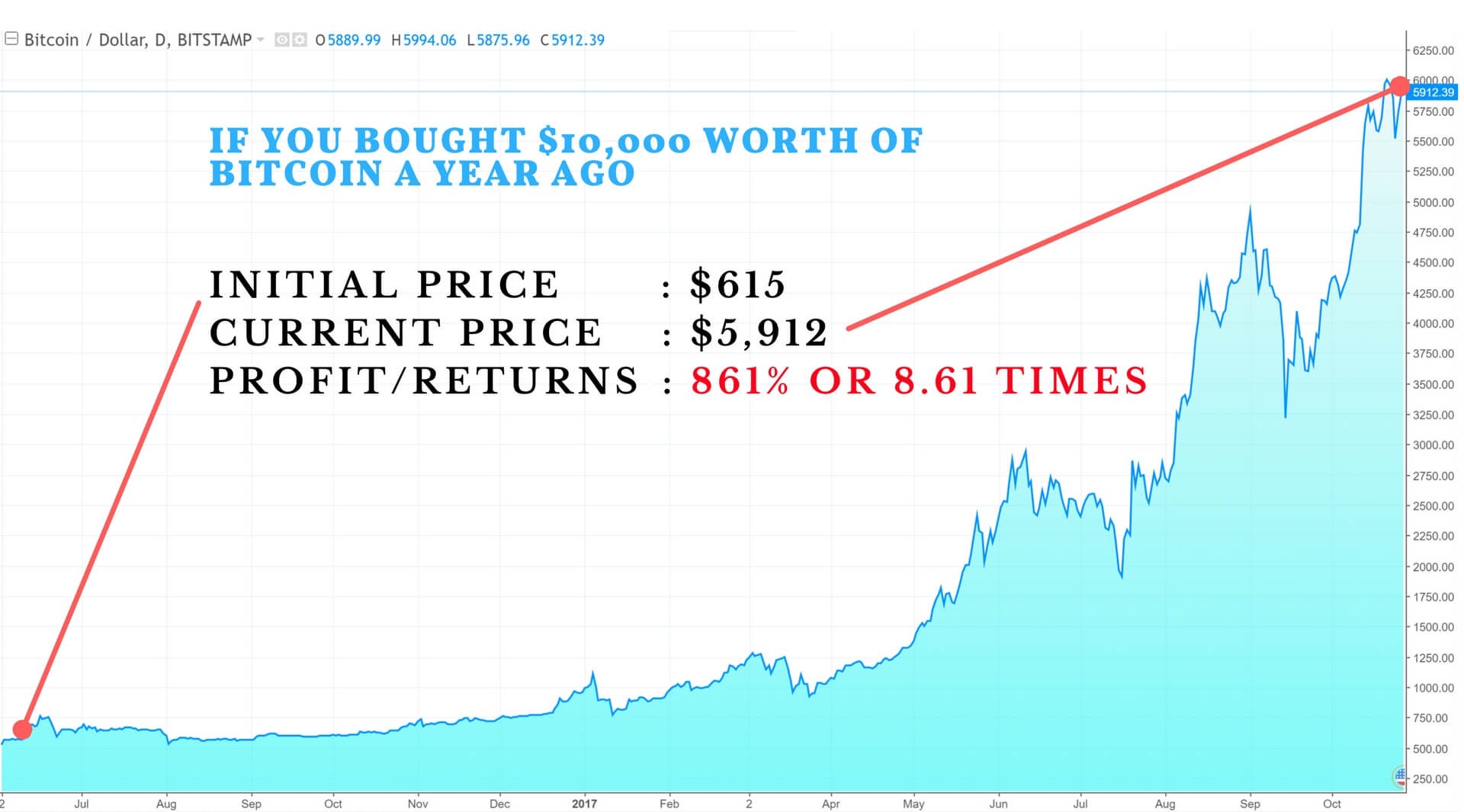
Volume indicators can also guide beginners. However, overloaded charts can make trading harder. Understanding cryptocurrency trading is often about keeping things simple.
How a Beginner Might Plan a Trade
Suppose Bitcoin has returned to a previous demand zone. Instead of buying instantly, a beginner could wait for confirmation. If buyers return, the trader may create a controlled trade.
Before entering, the trader should know where to exit if wrong. This is safer than copying influencers.
Common Beginner Mistakes
Inexperienced investors often sell during fear. Another mistake is ignoring fees. Trading costs can add up over time.
Reducing errors is part of learning crypto markets. It is smarter to stay patient than to trade from boredom.
Wallet and Exchange Basics
Every trader should understand wallet safety. Use secure devices. Avoid exposing seed phrases. If you use an exchange, make sure you review security settings.
Strong security practices can protect your funds. A smart entry means little if you lose access to funds.
Final Thoughts
Building crypto trading knowledge is a step-by-step process. Beginners should focus on discipline before profits. Cryptocurrency trading for beginners becomes more useful when you protect your capital and track your decisions.